

Looking for immunity boosting foods? Start with the nutrients your immune system needs to function normally. Fruits, vegetables, nuts, fermented foods, protein sources, and whole grains can all have a place in a varied eating pattern.
If healthy aging and biohacking interest you, make the everyday habits manageable first. The National Institutes of Health explains that nutrient deficiencies can impair immune function, while routine vitamin and mineral supplementation generally offers little protection against infections when those deficiencies are absent. Below, you will find practical food ideas and a few optional products for specific needs.
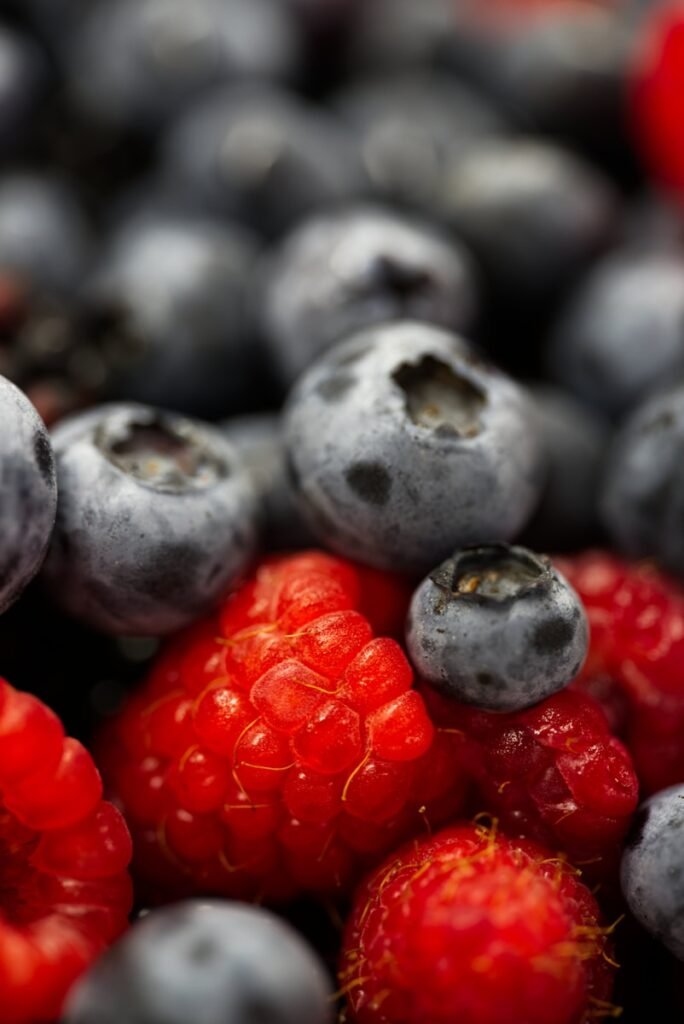
1. Colorful Fruits That Bring Vitamin C and Antioxidants

Vitamin C does not prevent every cold, but it helps immune cells work properly and protects them from oxidative stress. According to recent studies, these colorful fruits also carry essential phytonutrients that support the body’s natural defenses and cellular repair mechanisms.
Try adding citrus like oranges or mandarins to your morning routine to kickstart your antioxidant intake. Beyond the classic orange, berries like strawberries and blueberries offer a dense profile of protective plant compounds. You might also experiment with tropical options such as papaya or kiwi to keep your palate and your nutrient profile diverse.
Finding easy ways to integrate these fruits is simple, such as tossing a handful of berries into your morning oatmeal. Another option involves grabbing an orange as a quick afternoon snack to maintain your vitamin levels. If you prefer a more plated approach, try adding sliced fruit on top of plain Greek yogurt for a nutrient-dense dessert
Biohacker Tip: Pair your vitamin C sources with iron-rich leafy greens to maximize nutrient absorption and cellular oxygenation.
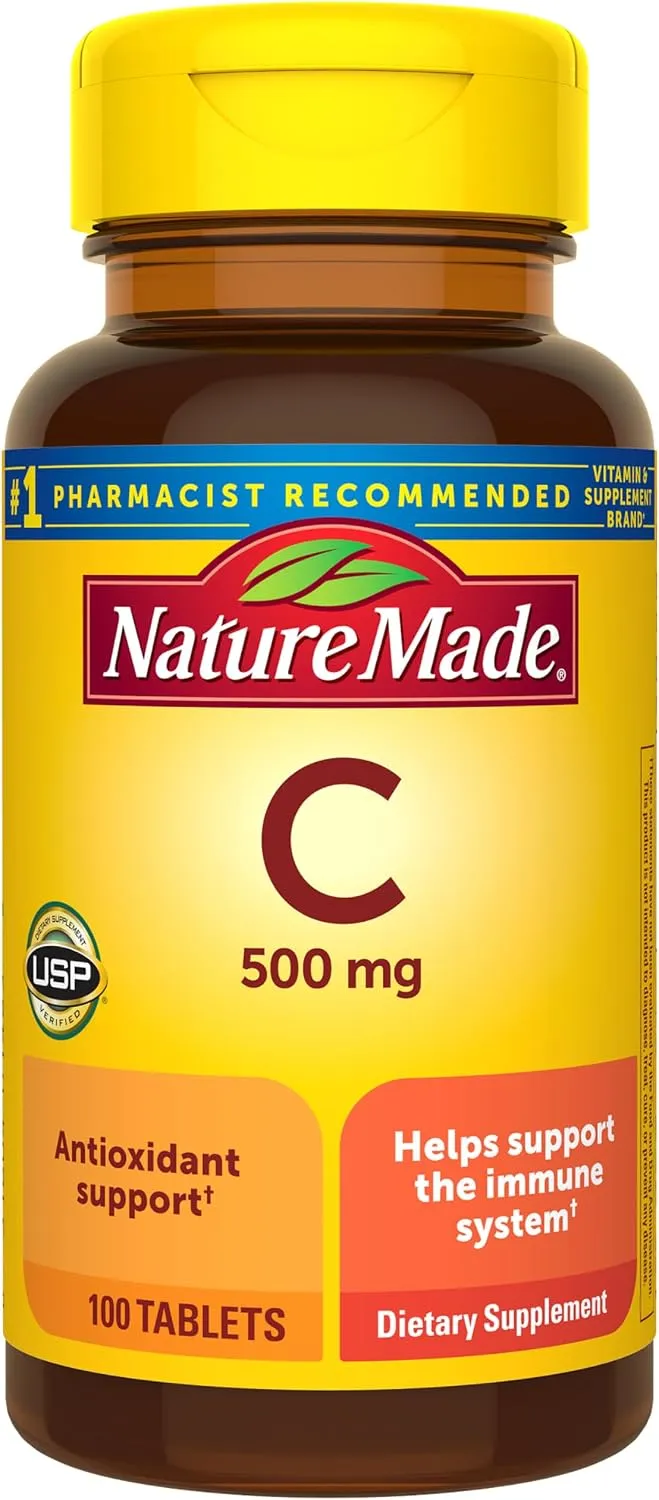
Vitamin C 500 mg
A simple tablet option to help fill a vitamin C gap when your usual diet falls short.
- 500 MG
- 100 TABLETS
- GLUTEN FREE
2. Leafy Greens and Veggies That Feed Immune Cells
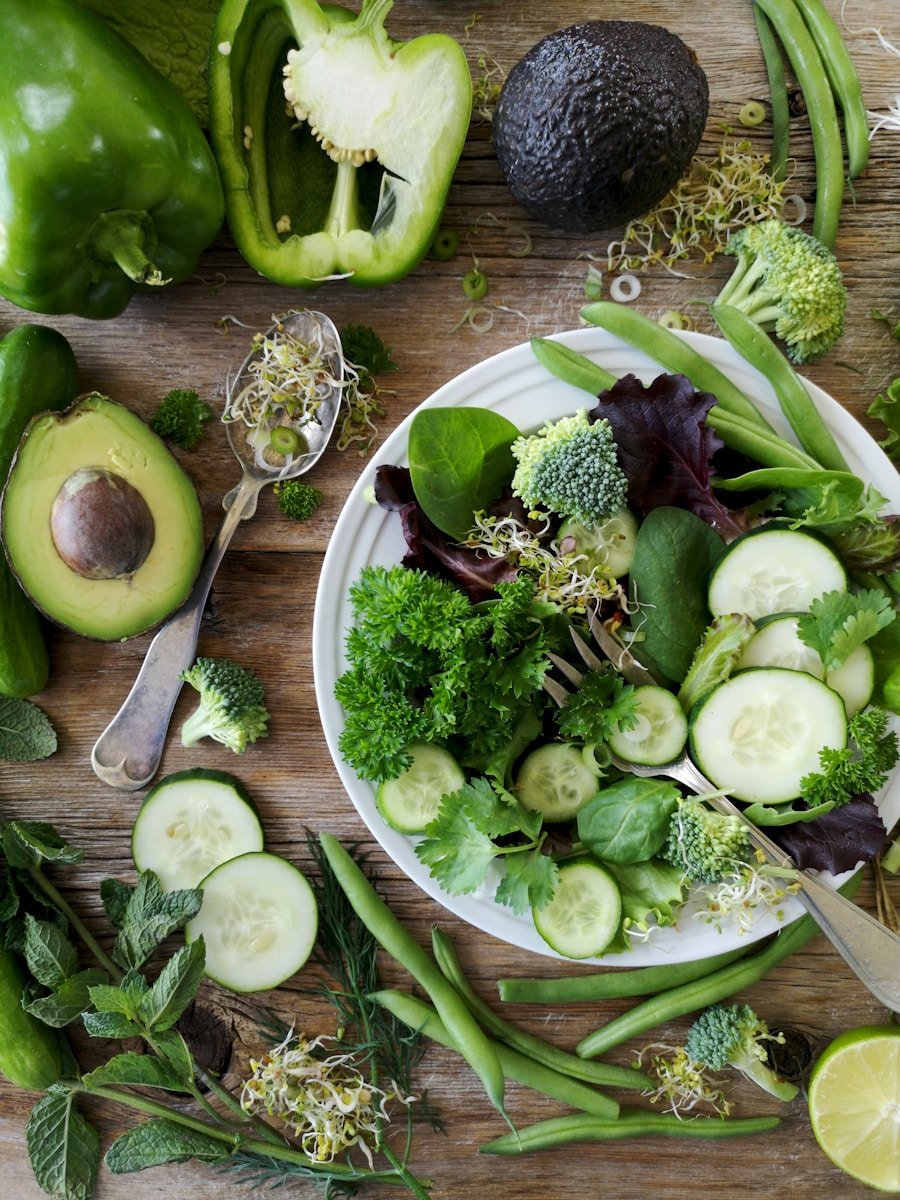
Dark leafy greens and cruciferous vegetables carry vitamins A, C, folate, and many antioxidants linked with healthy immune responses. They also bring fiber, which supports gut health—one of the body’s key immune hubs.
High-performance choices include spinach, kale, and collard greens for their dense vitamin profiles. Similarly, broccoli, Brussels sprouts, and red cabbage provide the cruciferous compounds necessary for phase II detoxification. To round out your vegetable intake, prioritize bell peppers and tomatoes to ensure a wide spectrum of antioxidants.
Begin by adding a handful of spinach to your morning eggs for an effortless nutrient boost. To follow this up at lunch, you can toss broccoli or peppers into your pasta or grain bowls. Finally, ensure you include a side salad with dinner to hit your daily fiber and folate targets..
3. Yogurt and Fermented Foods for a Healthier Gut
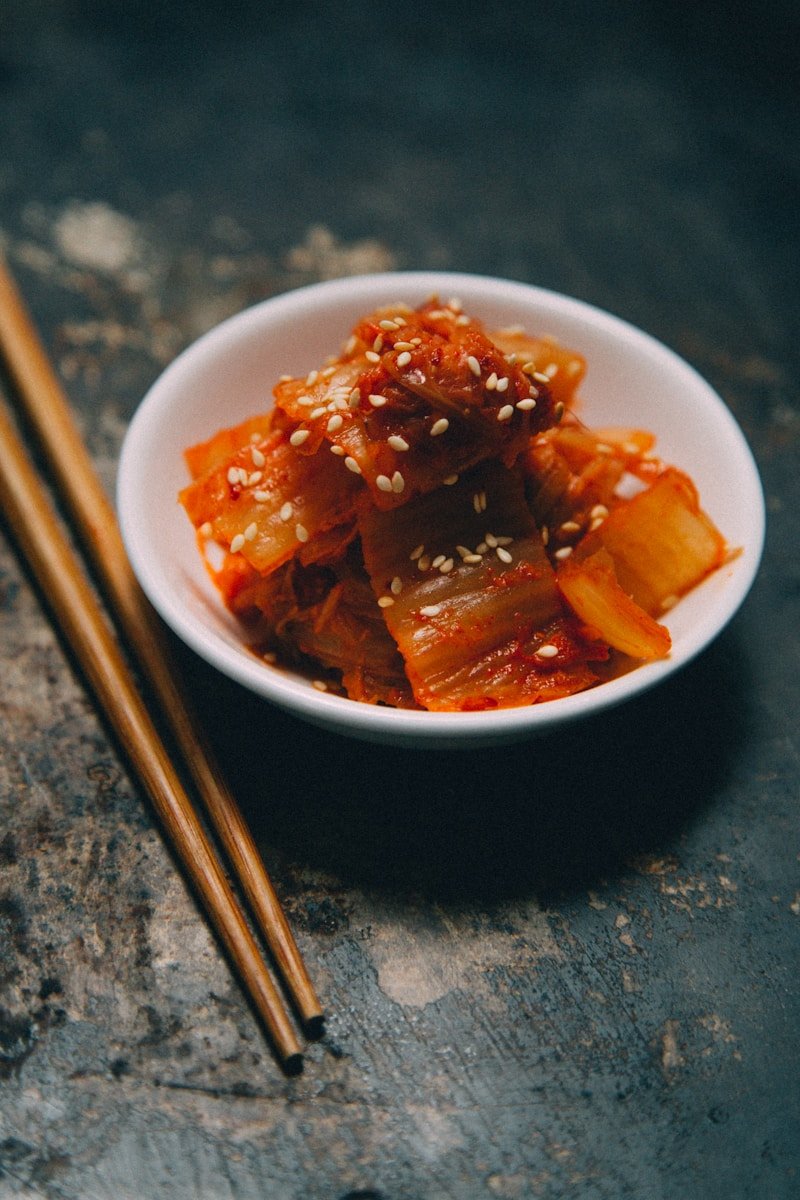
A large part of the immune system lives in and around the gut, and beneficial bacteria help keep it balanced. Yogurt with live and active cultures, kefir, kimchi and other fermented foods can support this microbiome and, in turn, systemic immunity.
To start your microbiome optimization, consider plain yogurt or Greek yogurt with “live and active cultures” clearly listed on the label. Beyond dairy, kefir serves as a potent drinkable probiotic for those on the go. You should also integrate fermented staples like kimchi or sauerkraut into your savory meals to provide a diverse array of beneficial bacteria.
While these foods are beneficial, it is better to use plain yogurt and add fruit or a small drizzle of honey instead of relying on sugary flavored versions. Consequently, you avoid the systemic inflammation caused by processed sugars while still satisfying your palate. This approach ensures your gut health supports, rather than hinders, your immune resilience.
Where a supplement may fit: If a clinician recommends a probiotic for a particular digestive concern, compare the exact strain and formulation. The NCCIH explains that benefits depend on the microorganism and the condition being studied. Simply missing a serving of yogurt is not a reason to start a supplement.

Culturelle Digestive Daily Probiotic
An option to discuss with your clinician when a specific probiotic strain fits your digestive needs.
- 12B CFU
- LGG STRAIN
- 60 CAPSULES
Before choosing: This product contains Lactobacillus rhamnosus GG (LGG). It is an optional product to discuss for a defined digestive need. People with weakened immune systems or serious illnesses should seek medical advice before using probiotics, because the risk of harmful effects can be higher.
4. Nuts and Seeds That Deliver Vitamin E, Zinc, and Healthy Fats
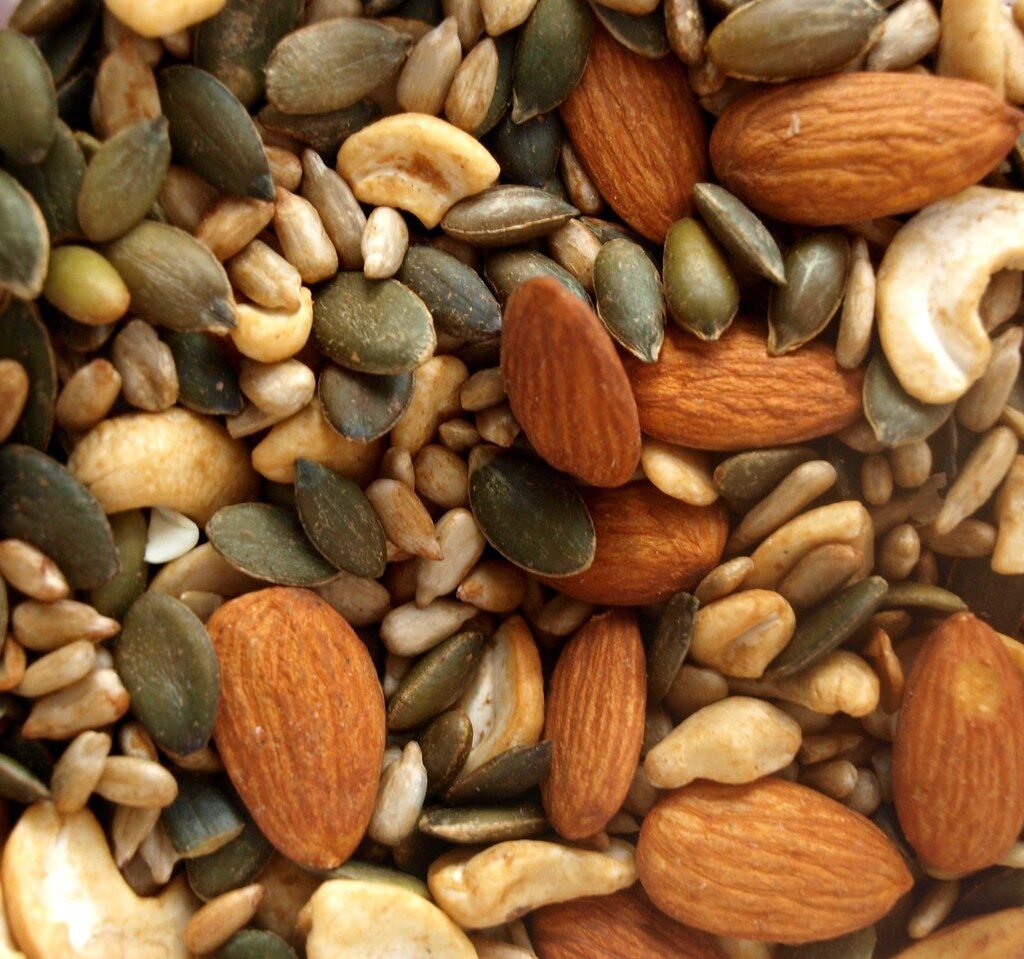
Nuts and seeds deliver vitamin E, zinc, and healthy fats that optimize cellular function. These snacks provide stable energy without the glucose spikes associated with processed sweets.
Almonds and sunflower seeds provide essential vitamin E, while walnuts and flaxseeds offer critical omega-3 fatty acids.
For a mineral boost, prioritize pumpkin seeds and Brazil nuts to hit your zinc and selenium targets. Small adjustments, like keeping a jar of mixed nuts on your desk, make high-performance snacking effortless.
5. Garlic, Ginger, and Herbs for Extra Support
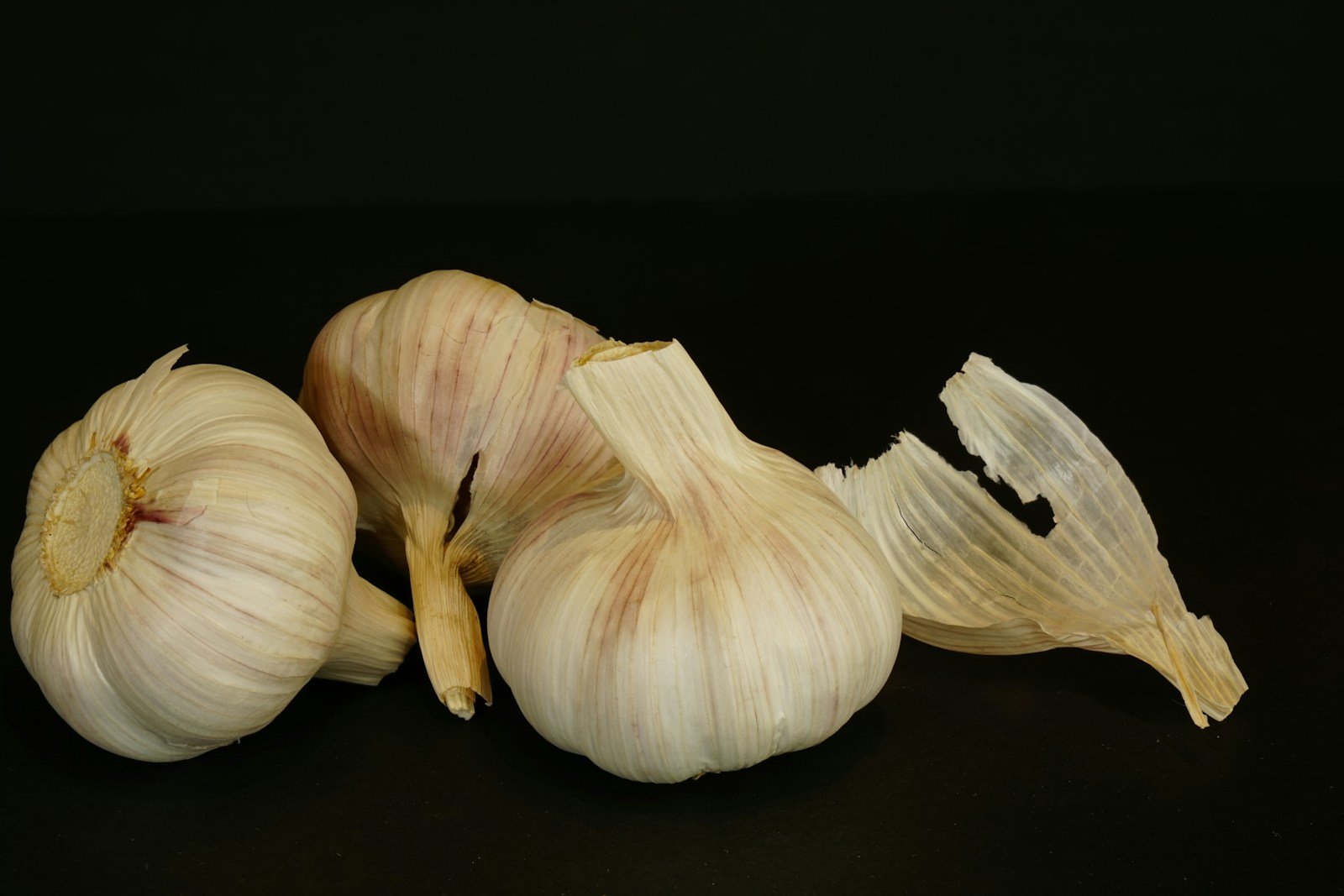
Garlic and ginger serve as potent kitchen staples with verified immune-related benefits. This is largely because garlic contains allicin, a compound linked to antimicrobial effects, while ginger provides powerful anti-inflammatory properties. Beyond these two, you should also utilize fresh herbs and spices like turmeric and oregano to upgrade your daily nutrient density.
How to use them:
- Add garlic to soups, sauces, and roasted vegetables.
- Grate fresh ginger into stir-fries, teas, or morning smoothies.
Fresh herbs and spices (turmeric, oregano, thyme) also contribute antioxidants and can help make healthier meals more flavorful.
6. Protein Sources That Help the Body Repair
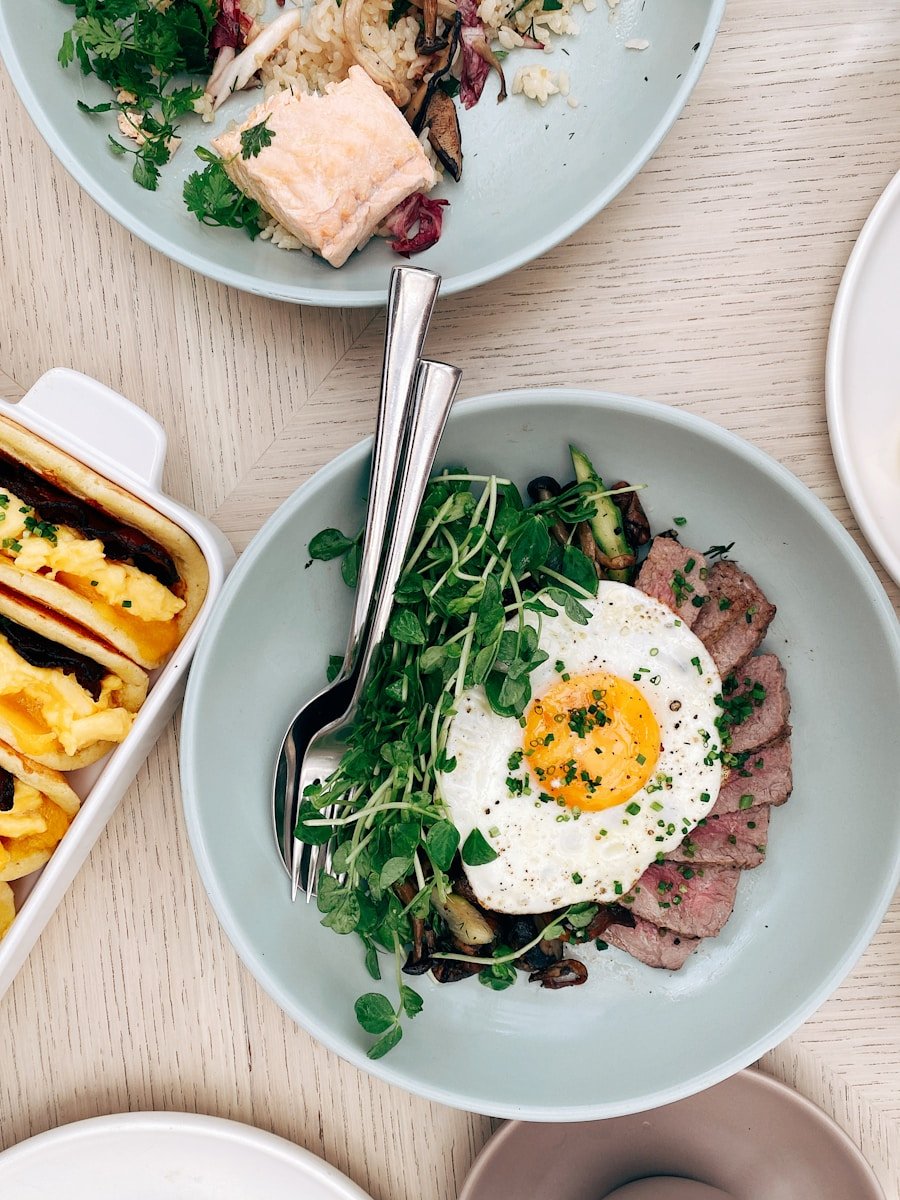
The immune system relies on protein to build and repair cells, including antibodies. Getting enough protein from a mix of plant and animal sources supports recovery and overall resilience.
Excellent plant-based options include beans and lentils, which provide both protein and fiber for steady energy. For those seeking animal-based sources, eggs, poultry, and fish offer complete amino acid profiles essential for cellular repair. Furthermore, tofu and other soy products serve as versatile staples to maintain your lean muscle mass and immune resilience.
One practical way to start is by including beans in your soups and salads for a fiber-rich protein boost. Additionally, adding an egg to your breakfast provides a high-quality amino acid profile to kickstart your day. You can also utilize yogurt, nuts, and seeds as protein-rich snacks to maintain steady energy levels between meals.
Where a supplement may fit: When your usual meals leave you short of your protein needs, a powder can be a convenient addition to a shake or smoothie. Compare protein per serving, flavor, ingredients, and allergens. The product below is a whey blend in Double Rich Chocolate, with 24 grams of protein per labeled serving.
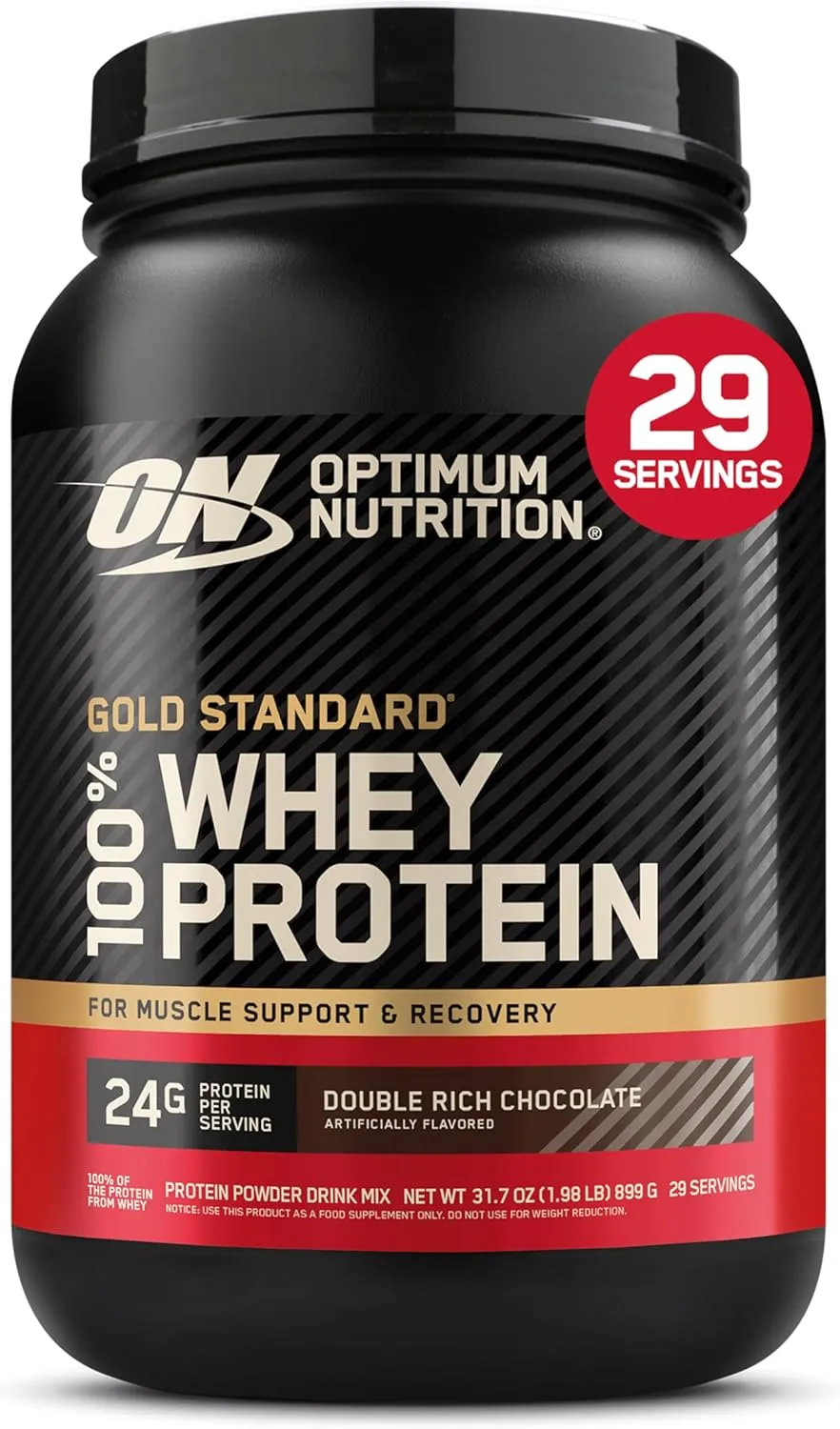
Optimum Nutrition Gold Standard Whey
A chocolate protein powder for busy days when meals alone leave you short of your protein needs.
- 24G PROTEIN
- 2 LB
- DOUBLE RICH CHOCOLATE
Before choosing: This is a dairy-based product; the selected Amazon listing identifies milk and soy allergens. Check the current package before buying.
7. Whole Grains and Water: The Underrated Basics
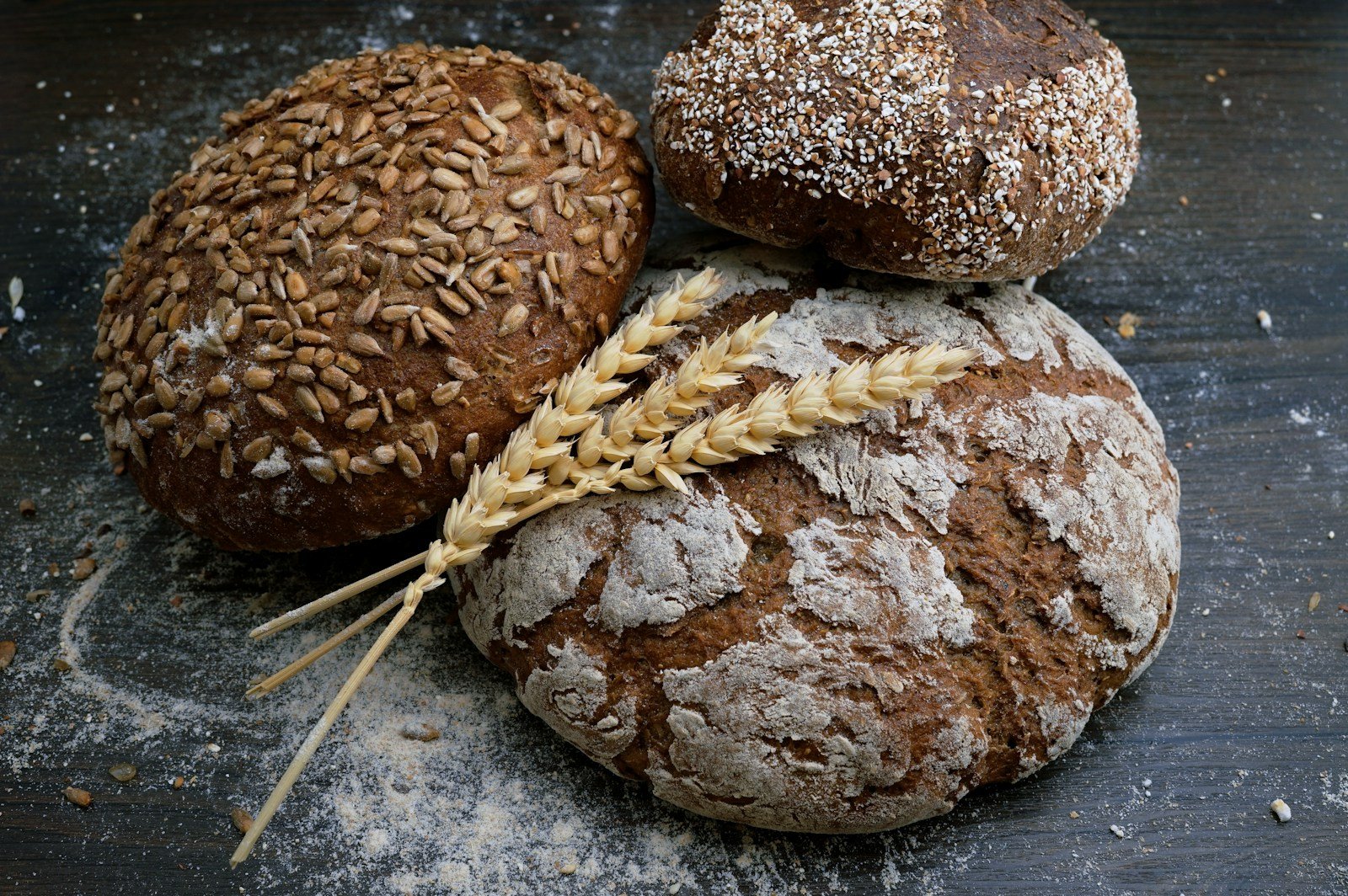
Whole grains bring fiber, B‑vitamins, and minerals that support gut health and energy levels, which indirectly help immune defenses. Drinking enough water helps transport nutrients and keeps mucous membranes (like those in the nose and throat) functioning well as front‑line barriers.
As a primary habit, choose oats, brown rice, quinoa, or whole-grain bread more often to provide sustained fuel for your cells. Furthermore, keep a water bottle nearby and sip regularly throughout the day to ensure optimal nutrient transport. By maintaining this baseline hydration, you support every other biological function mentioned in this guide.
Where a supplement may fit: If food changes still leave a fiber gap, psyllium is one option to discuss. It adds fiber but does not supply the full range of nutrients in whole foods. The NOW powder below provides 7 grams of total fiber per labeled 9-gram serving.
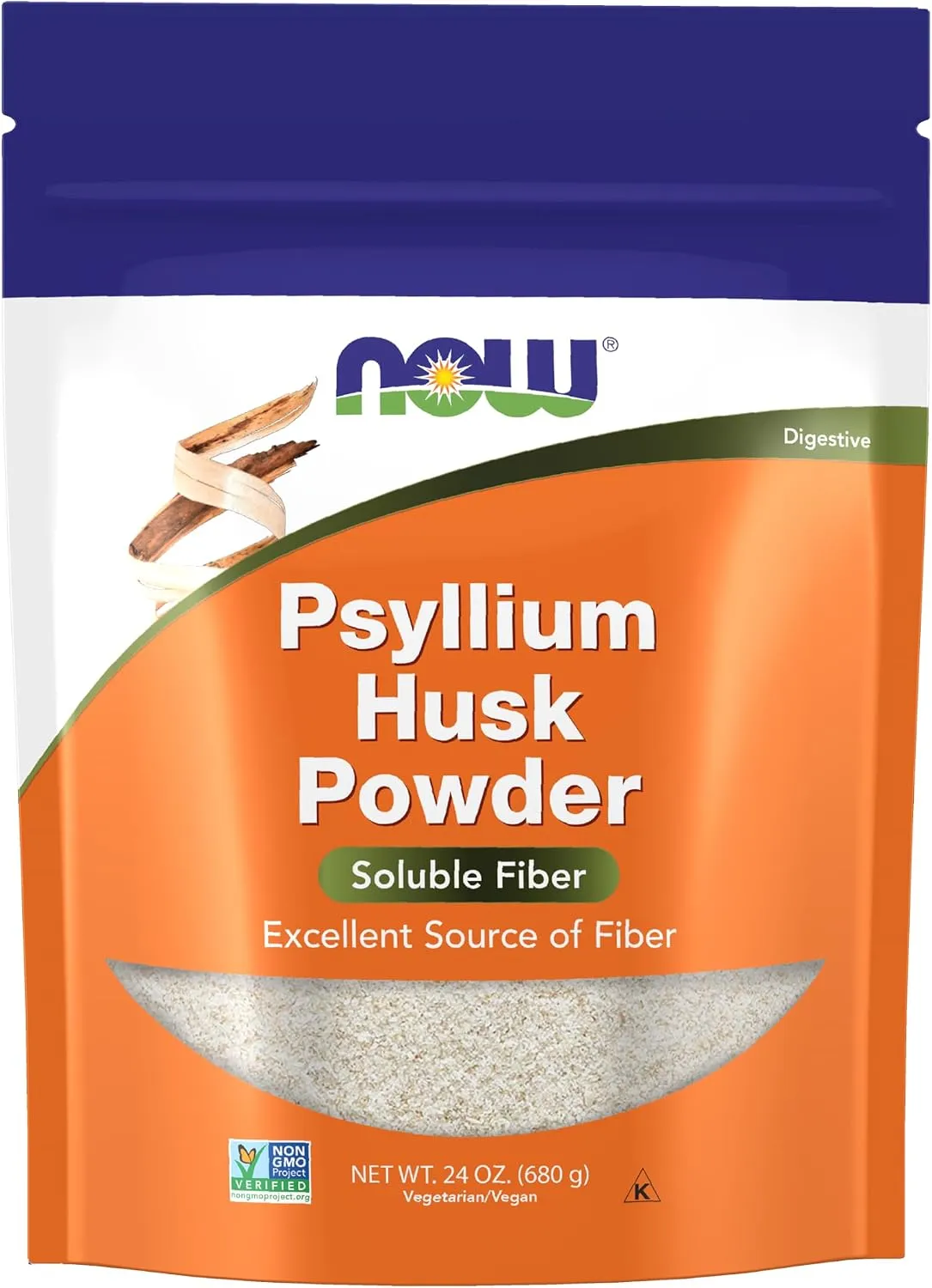
NOW Psyllium Husk Powder
A single-ingredient fiber powder for adults who need help closing a dietary fiber gap.
- 7G FIBER
- 24 OZ
- SINGLE INGREDIENT
Before choosing: Never take psyllium powder dry. Follow this product’s directions, including mixing a serving with at least 12 fluid ounces of liquid and drinking it promptly. It can cause choking without enough liquid and should not be used if you have difficulty swallowing. Ask a pharmacist about spacing it from your medicines; psyllium can interact with some medications.
Keep That in Mind
Food alone cannot make you bulletproof, and no single superfood prevents illness entirely. However, building a daily pattern around nutrient-dense plants, healthy fats, and proteins gives your immune system the raw materials it needs to perform. These small, consistent changes on your plate drive significant long-term gains in biological resilience.
This article provides general nutrition information for adults and is not a substitute for individual medical advice. Product selections are based on label information and their relevance to the article. Check current ingredients and directions before use.