

Coffee isn’t energy, it’s a tool that can mask fatigue. If you’re dragging every morning and wondering how to feel awake without coffee, the fix usually isn’t “more caffeine.” Instead, it’s upgrading the things that control alertness in the first place: sleep quality, circadian timing, hydration, movement, and steady fueling.
The good news: you don’t need a perfect routine or a hardcore morning ritual. You need a few science-backed levers you can pull consistently, first starting with light exposure and sleep timing, which help anchor your body clock and make waking up easier.
Below are five habits that actually work in real life.
5 Core Habits for How to Feel Awake Without Coffee
1- Light timing (your “natural caffeine”)

Morning light is a strong timing signal for your circadian clock, which helps your brain ramp up alertness at the right time and makes it easier to feel sleepy at night. The trick is consistency and contrast: bright early, dim late.
- Do this: Within 60 minutes of waking, get 5–10 minutes outdoors (cloudy still counts); if you can’t, sit by a bright window and step outside for 2–3 minutes when possible.
- Upgrade: Add a 2–5 minute “sky break” mid‑morning (no sunglasses if safe), and avoid harsh overhead lighting 2–3 hours before bed.
- Common mistake: “I got light at noon” (too late to help mornings) or “bright screens at night” (weakens the contrast you need).
2) Temperature shift (wake up fast without stimulants)
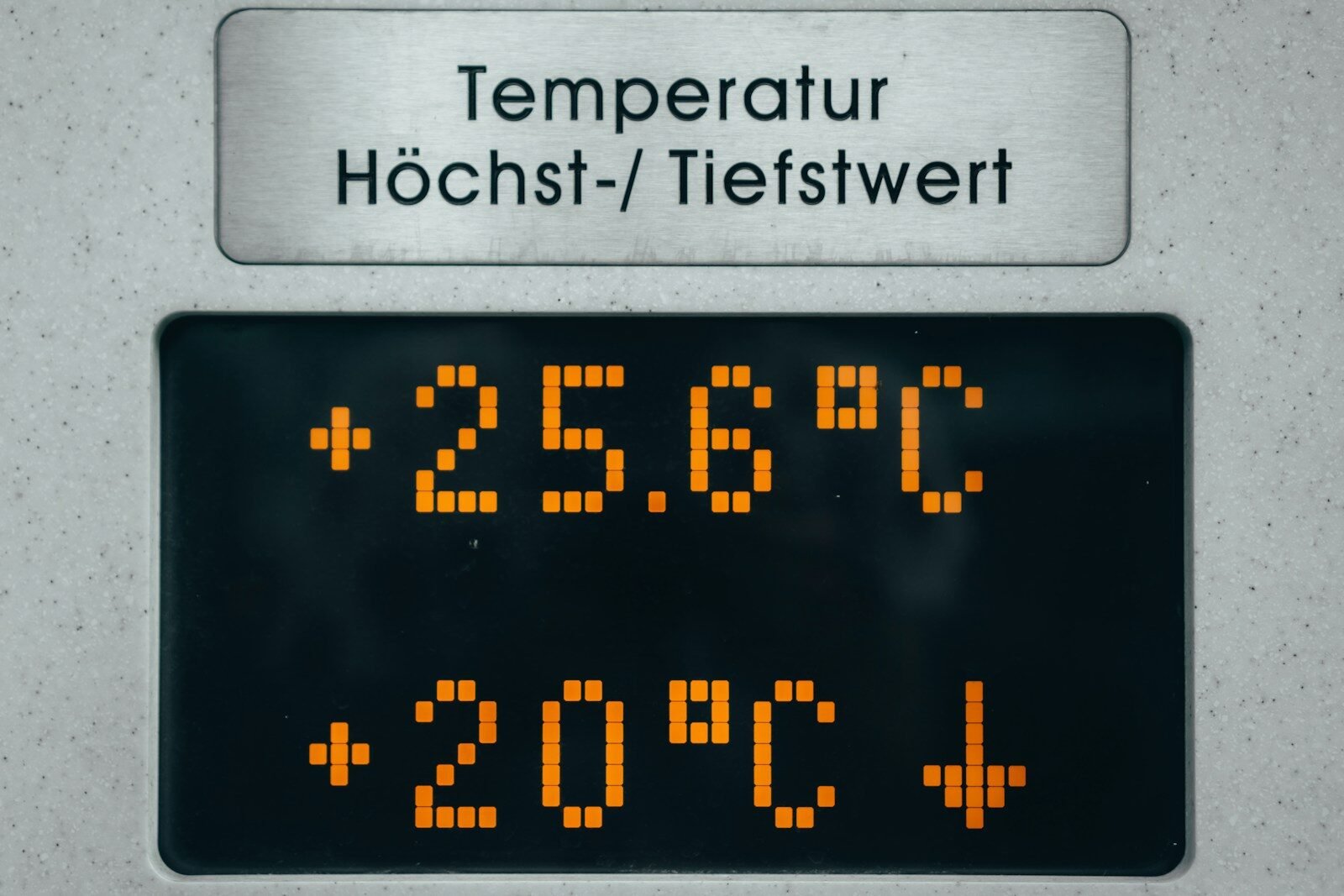
Do a warm shower and finish with 20–60 seconds of cool water (or just splash cool water on your face/neck). The quick temperature shift tends to increase alertness fast, and it’s reliable on days when motivation is zero.
You’re using a rapid physiological “state change,” not willpower: a brief cold finish can increase alertness quickly, while warm water helps you feel loose and ready to move.
- Do this: Warm shower as normal, then finish with 20–60 seconds cool water on face/neck/upper back; breathe slowly and stay relaxed (you’re training calm arousal, not panic).
- Upgrade: If showers aren’t your thing, try a cold face splash + 30 seconds of brisk towel rub + step into bright light.
- Safety note: Skip aggressive cold exposure if you have cardiovascular issues or you feel lightheaded; keep it mild and controlled
3) The 90‑second “oxygen debt” burst (anti‑fog protocol)

A short, hard burst of movement flips you from “sleepy mode” into “ready mode” by spiking breathing, circulation, and nervous-system activation — without needing a full workout.
- Do this: 90 seconds of stairs, fast cycling, jumping jacks, or a brisk uphill walk; stop while you still feel you could do a little more (don’t turn it into a draining session).
- Upgrade: Repeat once more after 3–5 minutes if you’re still foggy, then sit and do 6 slow breaths to settle into focused energy.
- Common mistake: Going too hard for too long, then feeling more tired 20 minutes later; keep it sharp and short.
4) “Protein + fiber first” (stabilize energy chemistry)

Most coffee dependence is really “unstable morning energy”: if your first meal is mostly fast carbs, you can get a quick rise and then an energy dip that feels like you need caffeine.
- Do this: Build the first meal/snack around 25–35 g protein plus fiber; examples: Greek yogurt + nuts + fruit; eggs + beans + fruit or chicken/tuna + salad + rice.
- Upgrade: If you love carbs, keep them, just eat protein/fiber first, then carbs; it often smooths the next 3–4 hours of energy.
- Common mistake: “Healthy” but low-protein breakfasts (just fruit, juice, bread + coffee), which can set up a mid‑morning crash.
5) 10‑minute reset (NSDR‑lite, not a nap)

This works because you’re lowering stress arousal and “mental noise” without entering deep sleep — so you get clarity without waking up groggy.
- Do this: Set 10 minutes, eyes closed, inhale quietly through the nose, exhale longer than you inhale (example: 4 seconds in, 6–8 out), and relax your jaw/shoulders.
- Upgrade: Add a “brain unload”: on each exhale, drop one area of tension (forehead → jaw → chest → hands).
- Common mistake: Trying to “do it perfectly”; the win is simply downshifting for 10 minutes, then returning to the task.
Learn more from neuroscientist Andrew Huberman here.
Remember the basics first
While the advanced habits above hack your biology for sharper alertness, don’t skip the foundational basics.
First, prioritize 7-9 hours of quality sleep nightly to reset your adenosine levels and circadian rhythm. Additionally, stay consistently hydrated with 3-4 liters of water daily. You can add electrolytes like a pinch of sea salt or magnesium to prevent the fatigue paradox of drinking water but still feeling drained.
Furthermore, eat balanced, nutrient-dense meals every 3-4 hours to keep your blood sugar steady. Finally, weave in short bursts of movement plus natural light exposure throughout your day.
These “obvious” pillars make the non-obvious tips work 2-3x better, helping you master how to feel awake without coffee and build sustainable energy.