
Bedroom Furniture Rules That Actually Matter: Bed Placement, Nightstand Height, and Lamp Size
A bedroom can have beautiful colors and trendy decor, but if the bed, nightstands, and lamps are wrong, the room never feels truly calm or comfortable. These three details quietly control how you sleep, how you move, and how “expensive” the room looks—all without buying tons of decor. The good news: a few simple rules fix most bedrooms instantly.
This guide breaks those rules down into clear, easy checks you can apply in any room, from a small apartment to a big primary suite.
Bed Placement: Where the Bed Actually Belongs
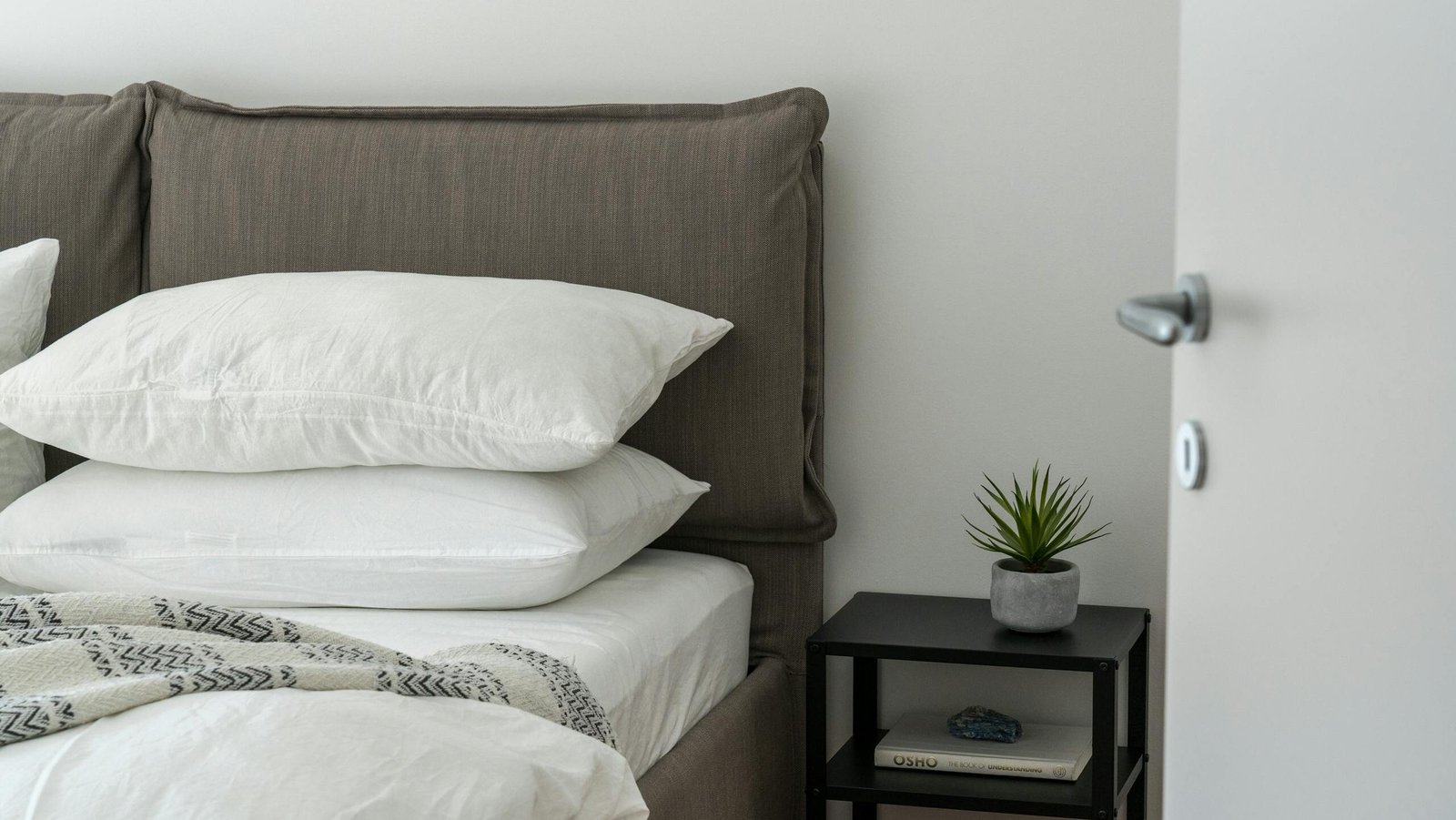
Designers almost always decide one thing first: where the bed goes. Once the bed is in the right spot, everything else is just filling in around it.
Rule 1: Anchor the Bed on a Solid Wall
The head of the bed should, whenever possible, sit against a solid wall—not floating in the middle of the room, not halfway under a window. This does three important things:
- Makes the room feel stable and grounded.
- Gives the headboard a clear “backdrop,” so the bed becomes the natural focal point.
- Keeps drafts and noise from windows away from your head while you sleep.
If a window must sit behind the bed, a solid headboard and good curtains can still make it feel cozy and protected.
Rule 2: See the Door, but Don’t Sleep in the Doorway
Most bedroom layout guides and even feng shui agree on a simple idea: it feels better to see the door from the bed, without being directly in line with it.
A good setup is:
- Bed on a side wall, so when you lie down you can see the door,
- But your feet do not point straight out the door like a hallway.
This feels more private and secure, especially if the door opens to a busy area like a living room or hallway.
Rule 3: Leave Breathing Room on Both Sides
If there’s space, aim for roughly 24–30 inches of clearance on each side of the bed.
That space:
- Makes it easy to get in and out without bumping walls or furniture.
- Allows both people (in a shared bed) to have their own path and nightstand.
- Visually balances the room, making everything look more intentional.
In very small rooms, one side of the bed can be closer to the wall, but if there is any way to give both sides a little room, the layout will feel less cramped.
Nightstand Height: Stop Reaching Up or Down in the Dark
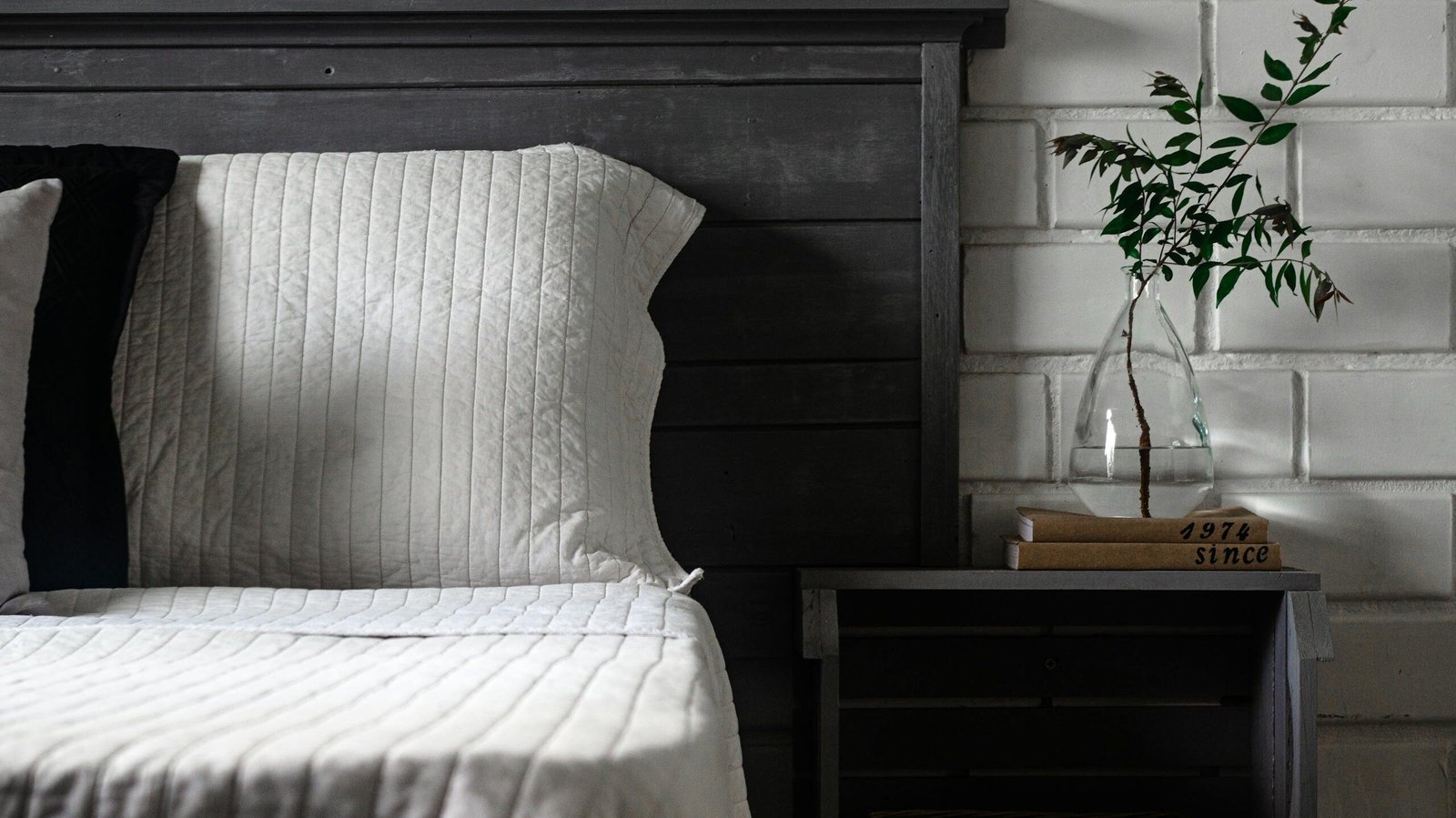
Nightstands are not just decorative. The height directly affects comfort when reaching for a glass of water, a phone, or a lamp in the middle of the night.
Rule 4: Match the Mattress Top (or Go Slightly Higher)
The simplest rule from furniture experts: the top of the nightstand should be about level with the top of the mattress, or up to 2–4 inches higher.
This height:
- Makes it easy to reach items without bending down awkwardly.
- Keeps the lamp at a good level for reading.
- Looks visually “right” next to the bed.
If the nightstand is much lower than the mattress, it feels like reaching into a hole. If it is much higher, it can look bulky and be uncomfortable to use.
Rule 5: Check the Proportions, Not Just the Height
A nightstand that is technically the right height can still look odd if it is too tiny or huge compared to the bed.
Quick checks:
- Width: for a queen bed, many designers like nightstands around 18–24 inches wide; for a king, often 24–30 inches.
- Depth: enough space for a lamp, book, and water glass, but not so deep that it blocks walking space.
If the bed is large and the nightstands are tiny, everything feels off-balance. If the bed is small and nightstands are massive, the room feels crowded.
Bedside Lamp Size: Light That Works (and Looks Right)
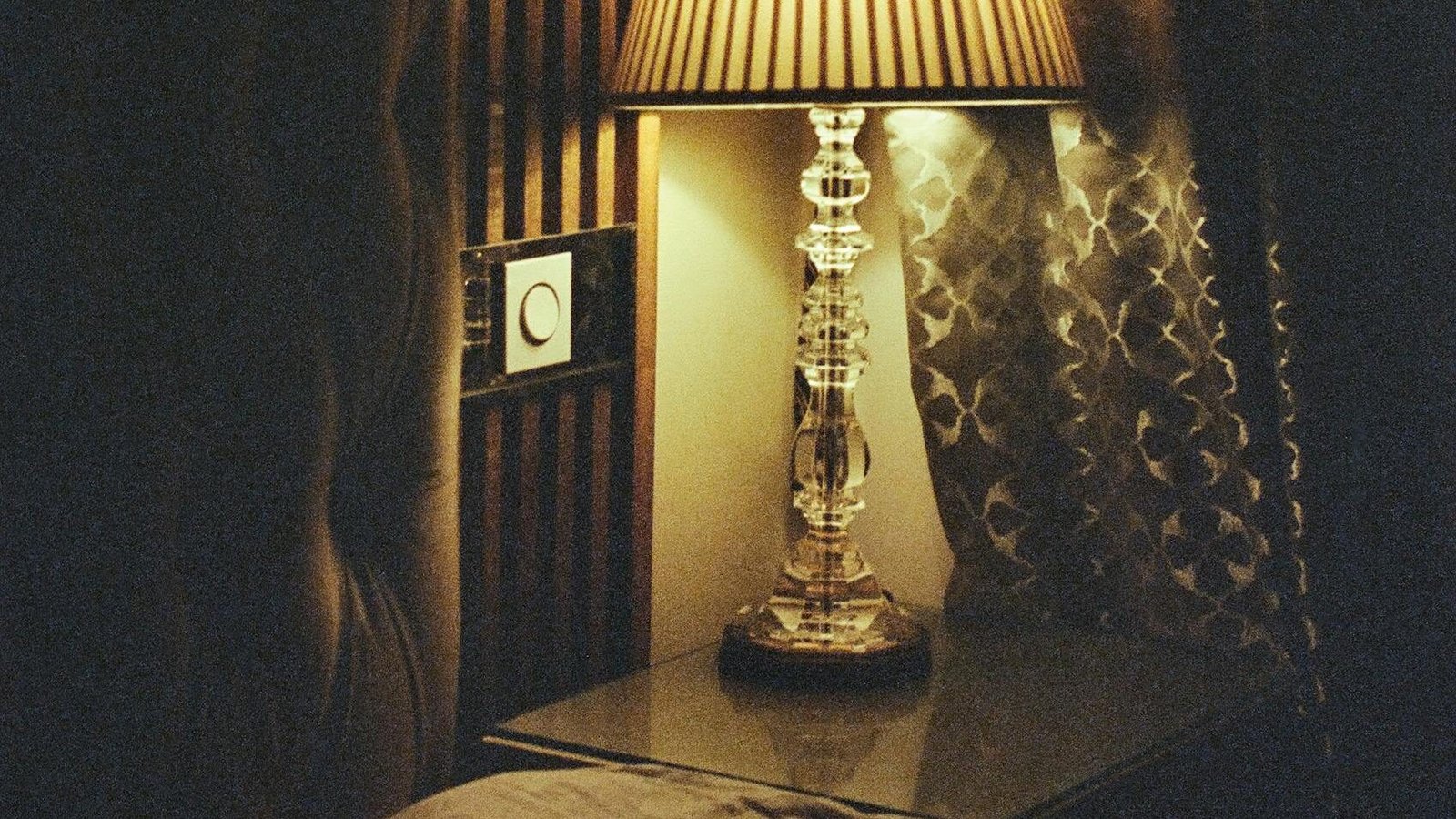
The wrong lamp can be too bright, too dim, or sitting at a strange height that shines light directly into your eyes. A good bedside lamp should be comfortable for reading and soft enough for winding down at night.
Rule 6: Aim for a Lamp Height Around 24–30 Inches
Most lamp guides suggest a bedside lamp in the 24–30 inch range, depending on how tall your nightstand and bed are.
General idea:
- The combined height of nightstand + lamp usually looks good somewhere around 48–52 inches total.
- When you sit up in bed, the bottom of the lampshade should be close to your eye level or just slightly below. That keeps the bulb out of direct sight and makes reading more comfortable.
Short lamps on tall nightstands feel lost. Very tall lamps on low tables can put the light above where it is needed.
Rule 7: Don’t Overcrowd the Nightstand
Even the most beautiful lamp looks wrong if it fills the entire nightstand surface.
- The lamp base should take up roughly one‑third of the nightstand’s top surface.
- That leaves space for a book, phone, glasses, and a drink.
If the lamp is so wide that nothing else fits, sizing down or choosing a slimmer base will immediately make the area feel cleaner and more functional.
Putting It All Together: A Quick Bedroom Checklist
Here’s a simple checklist readers can use in any bedroom:
- Is the head of the bed against a solid wall (or at least stabilized with a headboard), without blocking doors or major windows?
- From the bed, can you see the door without sleeping directly in line with it?
- Is there some space on both sides of the bed, even in a small room?
- Are the nightstands about level with the top of the mattress, or just a little higher (not dramatically lower)?
- Do the nightstands feel proportional to the bed (not tiny next to a king, not huge next to a full)?
- Are bedside lamps around 24–30 inches tall, with the shade near eye level when sitting up?
- Is there still room on the nightstand for a few essentials, not just the lamp?
These small furniture rules don’t require a big budget or a full makeover. Even in a simple room with basic pieces, getting bed placement, nightstand height, and lamp size right can make the whole bedroom feel calmer, more expensive, and much more comfortable to actually live in.