7 Fast-Growing Fruit Trees (and Shrubs) for Pots: Fresh Homegrown Harvests in 1–3 Years
Plucking ripe lemons from a deck rail or figs from a sunny balcony corner is no longer just a countryside fantasy. Thanks to dwarf varieties and improved rootstocks, compact fruit trees now thrive in pots, even on small patios and apartment balconies across much of the US. These 7 options are consistent performers: fast to fruit, relatively forgiving for beginners, and suitable for USDA zones roughly 3–11, depending on the variety.
Most of them stay in the 2–12 foot range in containers, so there is no need for ladders or acres of land. With 15–25 gallon pots, good drainage, 6+ hours of sun, and appropriate fertilizer (such as citrus food for oranges and lemons), it is possible to create a mini orchard in a very small footprint.
1. Meyer Lemon: The Patio Citrus Star
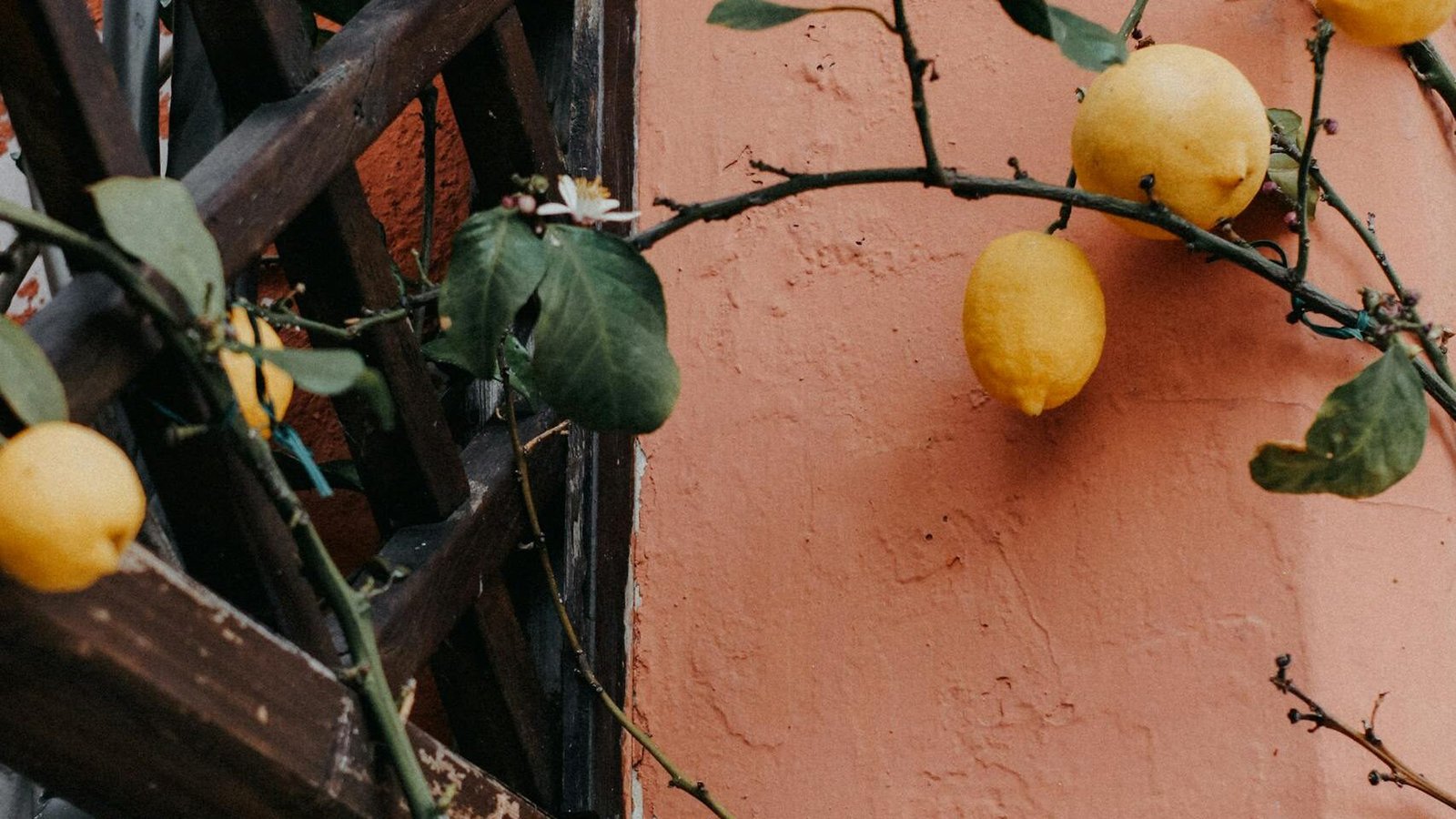
Meyer lemon is often considered the ideal “starter” citrus for containers. This sweet-tart hybrid typically begins flowering within 6–12 months and can start producing usable harvests around years 2–3 in good conditions. In pots it usually reaches about 8–10 feet, and it can be grown outdoors in zones 9–11 or in containers brought indoors in colder climates.
Key care points include: a 15-gallon pot with excellent drainage, well-draining citrus soil, allowing the top couple of inches of soil to dry between waterings, and monthly fertilization during the growing season. A mature potted tree can produce dozens of lemons per year when properly maintained.
2. Chicago Hardy Fig: Tough, Cold-Tolerant Sweetness
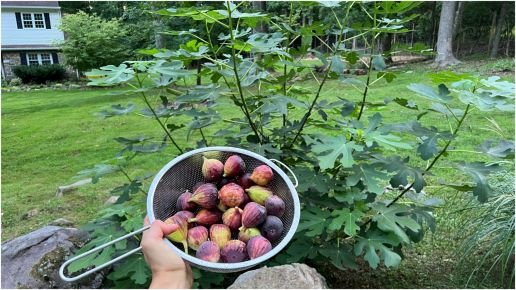
Chicago Hardy fig is known for its ability to fruit on new wood and tolerate cold, even in parts of zone 5 when protected. In containers, it typically grows to about 8–10 feet and produces medium-size, richly flavored figs that ripen in late summer to fall.
This variety performs best in a 20-gallon pot with well-draining soil, full sun, and moderate watering. In cold climates, the container can be mulched, wrapped, or moved to a sheltered spot for winter. Under good care, a mature potted fig can yield tens of pounds of fruit across a season.
3. Top Hat Blueberry: Compact Berry Workhorse
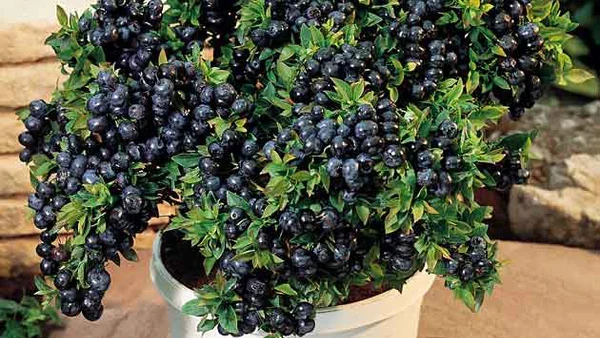
Top Hat blueberry is a true dwarf, usually reaching only 18–24 inches tall and wide, which makes it ideal for small patios and balconies. It produces white spring flowers followed by small, sweet berries, often starting in its first or second year after planting.
This shrub prefers acidic soil (pH around 4.5–5.5), so mixes containing peat moss or pine bark are recommended. A 10-gallon pot, full sun to light shade, consistent moisture, and a fertilizer formulated for acid-loving plants (such as azaleas and rhododendrons) support healthy growth. Established plants can produce multiple pints of berries each season.
4. Raspberry Shortcake: Thornless, Container-Friendly Raspberries
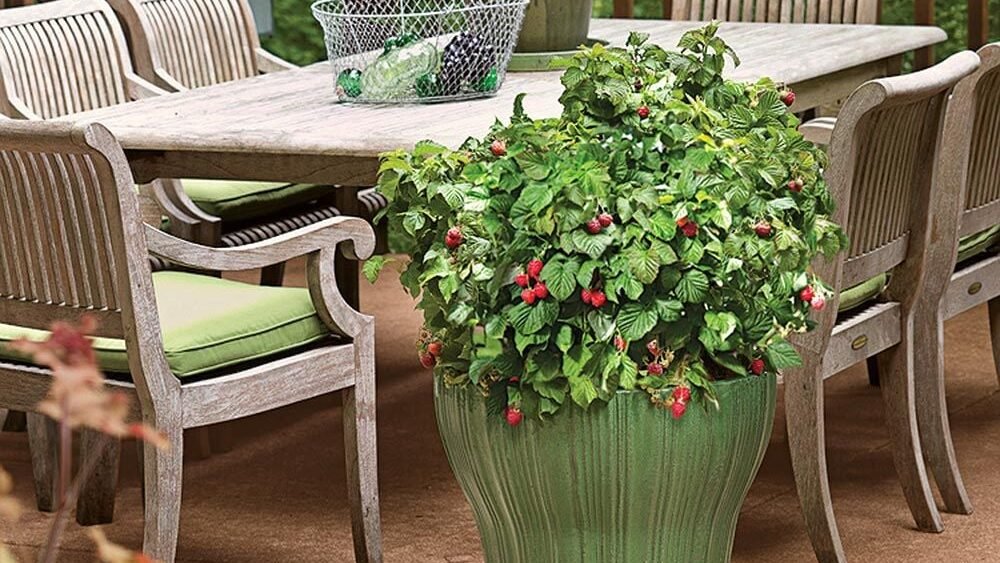
Raspberry Shortcake is a thornless dwarf raspberry designed for container growing. It forms a compact, rounded bush around 3 feet tall and wide, with no need for a trellis. In suitable conditions, it can fruit in its first year, producing sweet red raspberries in midsummer.
This variety does best in a 15-gallon pot with full sun, rich but well-draining soil, and steady moisture. After harvest, canes can be cut down to maintain shape and encourage strong new growth. A healthy plant can deliver several pounds of berries in a season.
5. Multi-Graft Low-Chill Apple: Several Flavors on One Tree
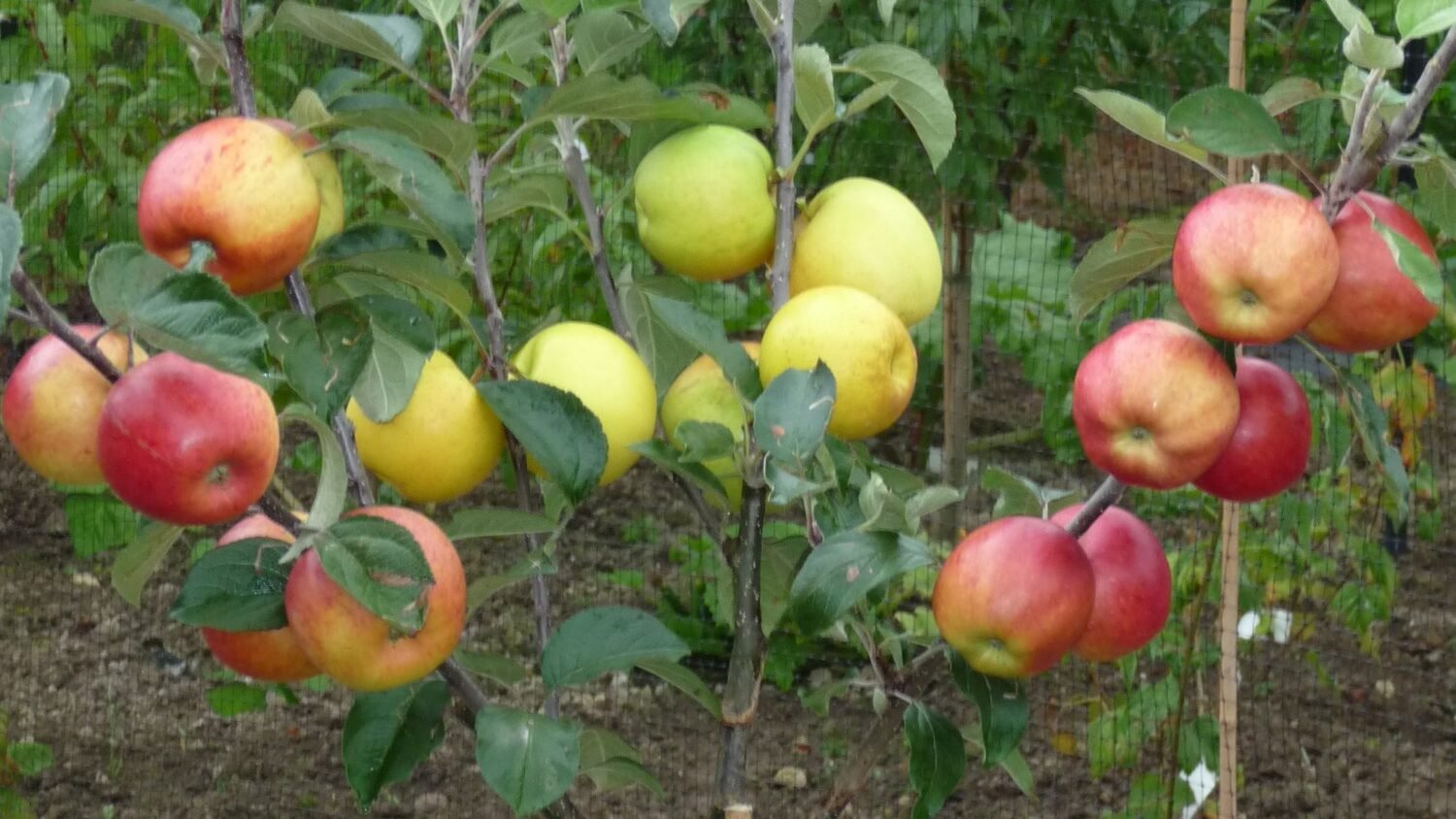
Multi-graft low-chill apple trees combine several apple varieties—often early- and mid-season types—on a single semi-dwarf rootstock. These trees are crafted for regions with fewer chill hours (around 100–400 hours), making them suitable beyond the traditional cool-climate apple belt.
In containers, they typically reach about 10–12 feet. A 20-gallon pot, full sun, and standard fruit-tree care (pruning for light and airflow, regular watering, balanced fertilizer) are recommended. Trees usually begin bearing in years 2–3, and a mature potted specimen can produce a moderate crop of mixed apples each season.
6. Calamondin Orange: Continuous Clusters of Tiny Citrus
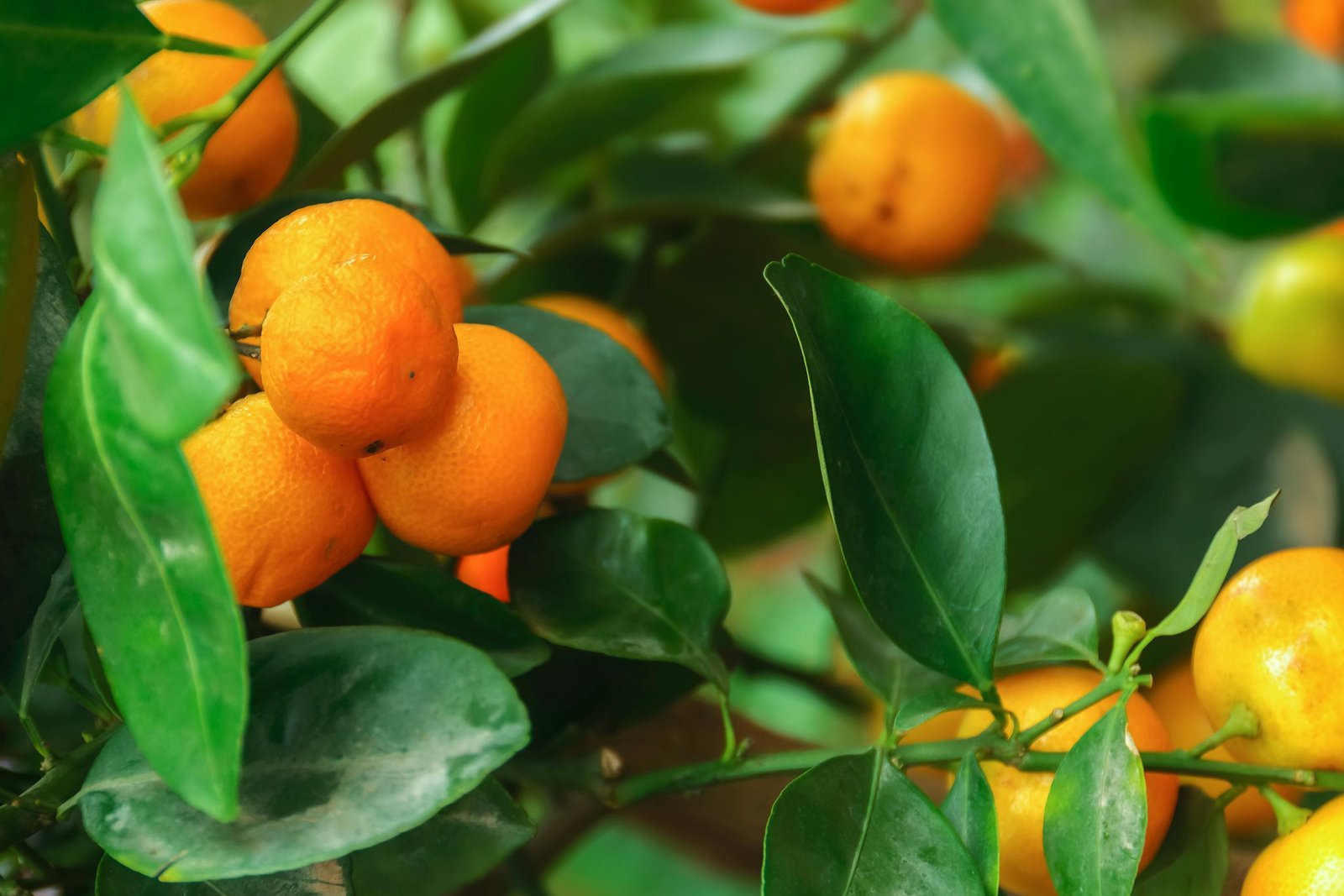
Calamondin orange is a small citrus tree prized for its abundant, marble-sized orange fruits and ornamental value. In containers, it usually remains between 6–10 feet tall and can flower and fruit multiple times per year in warm, bright conditions.
Planting in a 15-gallon pot with citrus soil, providing bright light (preferably full sun), and keeping moisture even but not soggy are key. The fruits are quite tart and are commonly used for drinks, marmalades, and garnishes. A well-cared-for plant can carry dozens of fruits at once.
7. Fruit Cocktail Tree: Multi-Graft Stone Fruit Medley
Fruit “cocktail” trees combine several stone fruits—commonly peach, plum, nectarine, and sometimes apricot—on a single rootstock. In suitable climates (often zones 6–9), these trees can begin producing in around 2–3 years, with different branches ripening at slightly different times.
A large container (around 25 gallons), full sun, and regular pruning are important to balance the vigor of each grafted branch. Under good care, a fruit cocktail tree in a pot can yield a varied harvest of stone fruits over the course of the season, effectively acting as a mini orchard.
Container Fruit at a Glance
Getting Started
Most of these varieties are available from major US nurseries and online retailers specializing in dwarf and container-friendly fruit trees. Success in pots usually comes down to three factors: adequate sun, well-draining soil with the right pH for the species, and avoiding overwatering. With those basics in place, even a small balcony can deliver a surprisingly generous harvest of homegrown fruit in just a few seasons.