
Everyday Immunity Boosters You Can Add to Your Plate
Most people hear “boost your immune system” and think of expensive supplements or complicated routines. In reality, the strongest support comes from simple, everyday foods that quietly feed the cells and systems that fight infections. A balanced plate with fruits, vegetables, nuts, seeds, and fermented foods does more for real‑world immunity than any miracle pill.
Here are practical foods and combos readers can add to normal meals—no extreme diets, just small upgrades that support a stronger, more resilient body.
1. Colorful Fruits That Bring Vitamin C and Antioxidants
Vitamin C does not prevent every cold, but it helps immune cells work properly and protects them from damage. Colorful fruits also carry antioxidants and plant compounds that support the body’s natural defenses.
Good everyday picks:
- Citrus: oranges, mandarins, grapefruit, lemon in water
- Berries: strawberries, blueberries, raspberries
- Tropical fruit: papaya, kiwi, pineapple
Easy ways to add them: a handful of berries in oatmeal, an orange as an afternoon snack, or sliced fruit on yogurt.
2. Leafy Greens and Veggies That Feed Immune Cells
Dark leafy greens and cruciferous vegetables carry vitamins A, C, folate, and many antioxidants linked with healthy immune responses. They also bring fiber, which supports gut health—one of the body’s key immune hubs.
Helpful choices:
- Spinach, kale, collard greens
- Broccoli, Brussels sprouts, red cabbage
- Bell peppers (especially red), tomatoes
Simple upgrades: add a handful of spinach to eggs, toss broccoli or peppers into pasta, or include a side salad with dinner.
3. Yogurt and Fermented Foods for a Healthier Gut
A large part of the immune system lives in and around the gut, and beneficial bacteria help keep it balanced. Yogurt with live and active cultures, kefir, and other fermented foods can support this microbiome and, in turn, immunity.
Good options:
- Plain yogurt or Greek yogurt with “live and active cultures” on the label
- Kefir
- Fermented foods like kimchi or sauerkraut
To keep things healthy, it is better to use plain yogurt and add fruit or a small drizzle of honey instead of relying on sugary flavored versions.
4. Nuts and Seeds That Deliver Vitamin E, Zinc, and Healthy Fats
Nuts and seeds pack vitamin E, zinc, and healthy fats that help the immune system function properly and protect cells from damage. They also make easy snacks that are far better for long-lasting energy than sweets.
Everyday choices:
- Almonds and sunflower seeds (vitamin E)
- Walnuts and flaxseeds (omega‑3 fats)
- Pumpkin seeds and Brazil nuts (zinc and selenium)
Simple ideas: keep a small jar of mixed nuts on the counter, sprinkle seeds over salads or yogurt, or add chopped nuts to oatmeal.
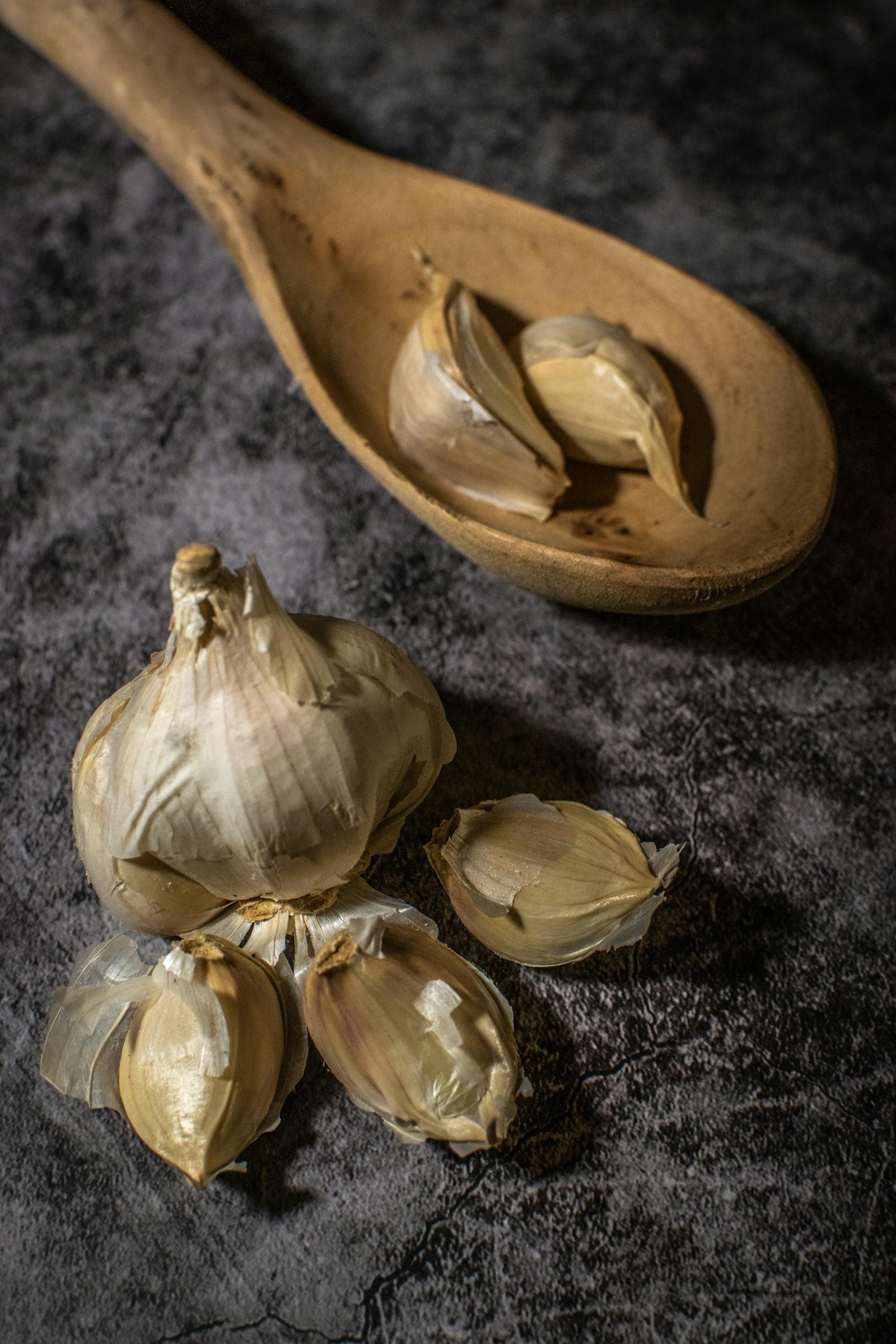
5. Garlic, Ginger, and Herbs for Extra Support
Garlic and ginger are classic kitchen staples with immune-related benefits. Garlic contains compounds like allicin that have been linked to antimicrobial and immune-supportive effects, while ginger brings anti-inflammatory and antioxidant properties.
How to use them:
- Add garlic to soups, sauces, and roasted vegetables.
- Grate fresh ginger into stir-fries, teas, or morning smoothies.
Fresh herbs and spices (turmeric, oregano, thyme) also contribute antioxidants and can help make healthier meals more flavorful.
6. Protein Sources That Help the Body Repair
The immune system relies on protein to build and repair cells, including antibodies. Getting enough protein from a mix of plant and animal sources supports recovery and overall resilience.
Helpful protein foods:
- Beans and lentils
- Eggs
- Poultry and fish
- Tofu and other soy products
Practical ideas: include beans in soups and salads, add an egg to breakfast, or use yogurt, nuts, and seeds as protein‑rich snacks.
7. Whole Grains and Water: The Underrated Basics
Whole grains bring fiber, B‑vitamins, and minerals that support gut health and energy levels, which indirectly help immune defenses. Drinking enough water helps transport nutrients and keeps mucous membranes (like those in the nose and throat) functioning well as front‑line barriers.
Simple swaps and habits:
- Choose oats, brown rice, quinoa, or whole‑grain bread more often.
- Keep a water bottle nearby and sip regularly throughout the day.
Food alone cannot make anyone “bulletproof,” and no single superfood can prevent illness. But a daily pattern built around fruits, vegetables, nuts, seeds, fermented foods, protein, and whole grains gives the immune system the nutrients it needs to do its job—and those are all changes that start right on the plate